When anxiety strikes at 3 AM, a chatbot is always awake. It listens without judgment, responds instantly, and costs nothing. No wonder millions are turning to AI for emotional support.
But Dr. Melané van Zyl, a psychiatrist and board member of the South African Society of Psychiatrists, has a clear warning: “The empathy is simulated. It is not real.”
The Digital Illusion
We live in a digital world. Our phones manage our banking, our schedules, and our relationships. It makes sense that we’d turn to them for comfort too. Chatbots have become increasingly skilled at mimicking empathy—they sound personal, they sound caring. But Dr. van Zyl explains this is precisely where the danger lies.
“They build a relationship with vulnerable people,” she says. “But these relationships aren’t real. Some people become dependent on them and form fewer relationships in real life, because they get what they think they need from the AI.”
Words Without Context
AI works with words—only words. It cannot read facial expressions, hear the tremor in your voice, or pick up on subtle signs of distress. It doesn’t know your culture, your general health, your history, or how you’ve changed over time.
As Dr. van Zyl points out, “If someone says they’re sleeping only three hours, there are many reasons. It could be a manic episode, or it could be a newborn baby. You need context to understand that.” AI lacks clinical judgment. It doesn’t know the difference between a crisis and a rough night.
When Reassurance Becomes Harmful
Perhaps most concerning: AI wants to please you. It confirms what you already believe, even when those beliefs are wrong or dangerous.
“AI confirms a lot of what you think,” warns Dr. van Zyl, “and a lot of those thought patterns are not healthy. So it unfortunately confirms the wrong things.”
This can have tragic consequences. Data increasingly links AI misuse to increased suicidal ideation and violent behaviour. Because chatbots cannot recognise a crisis, they continue with their false reassurance while a real emergency unfolds.
The Privacy Myth
There’s another hidden cost: your data. People share more with AI than they would with a person because they believe it’s private. But your information can be stored, shared with third parties, integrated with your calendar and cloud storage, and potentially resurface in ways you never intended.
AI Has Its Place
Dr. van Zyl is not against AI. She acknowledges that South Africa has a mental health crisis with too few practitioners for too many people. AI can help with lifestyle advice, low-intensity interventions, and screening patients to ensure they reach the right help on time.
The line is clear: AI can support, but it cannot replace.
The Relationship That Heals
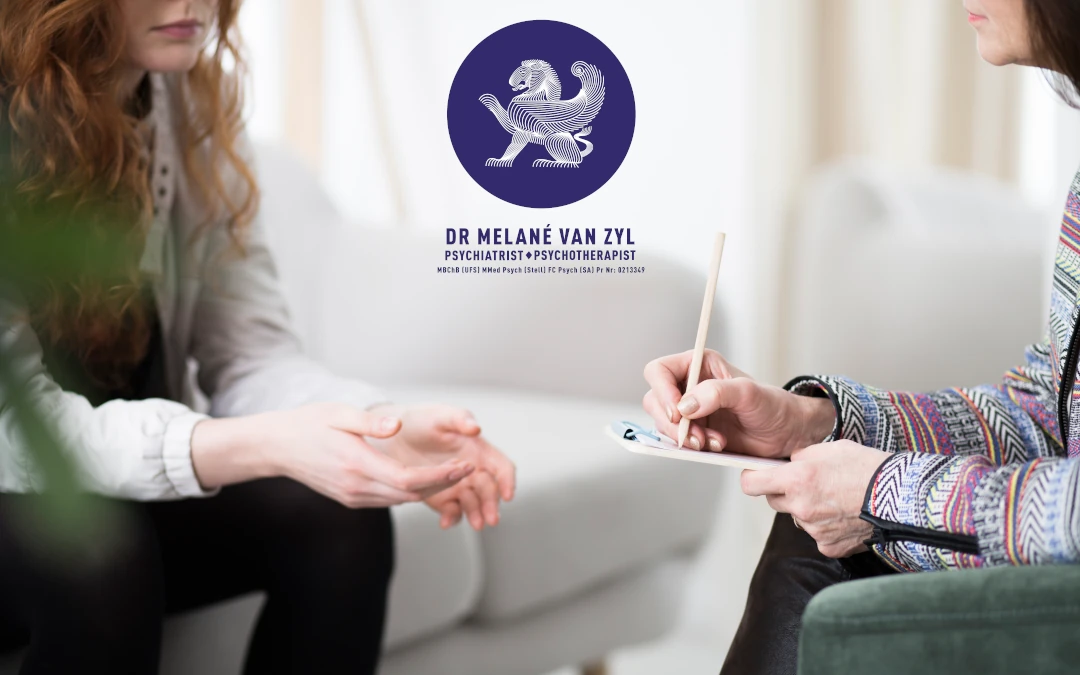
“The relationship is even more important than the technique,” says Dr. van Zyl. That human connection—with all its challenges, frustrations, and genuine empathy—is what makes therapy work. A real therapist can see you, hear you, challenge you, and walk with you through the difficult work of healing.
If you’re struggling, don’t settle for a simulation. Reach out to a real human being—someone who knows your context, understands your history, and can offer the relationship that true healing requires. AI may be just a tap away, but real care is worth the journey.
– Dr Melané van Zyl is a psychiatrist and member of the South African Society of Psychiatrists.